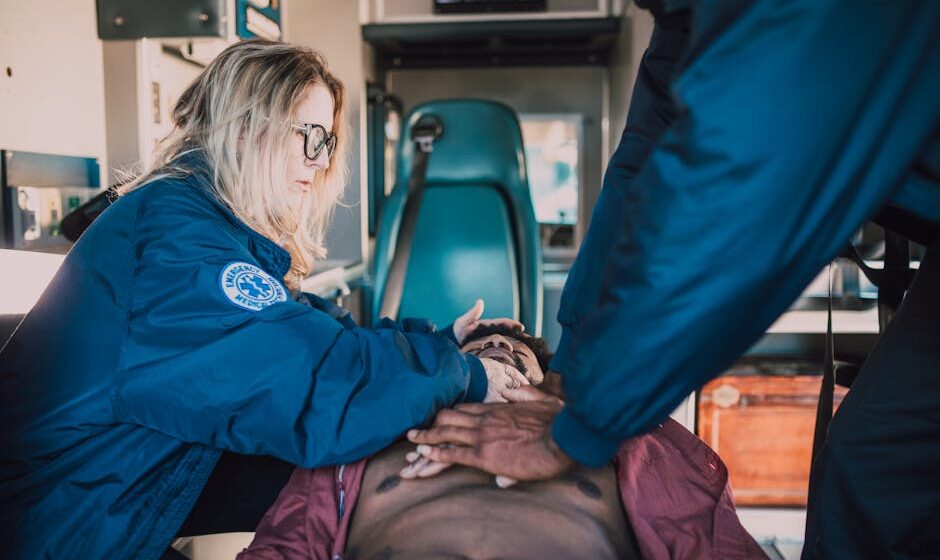

Cardiopulmonary Resuscitation (CPR) is a critical lifesaving technique that everyone should be familiar with. In emergencies where someone’s heartbeat or breathing has stopped, knowing how to perform CPR can significantly increase their chances of survival. This article will delve into the principles, techniques, and importance of CPR, offering insights and practical guidance for those looking to equip themselves with this vital skill.
The Importance of CPR
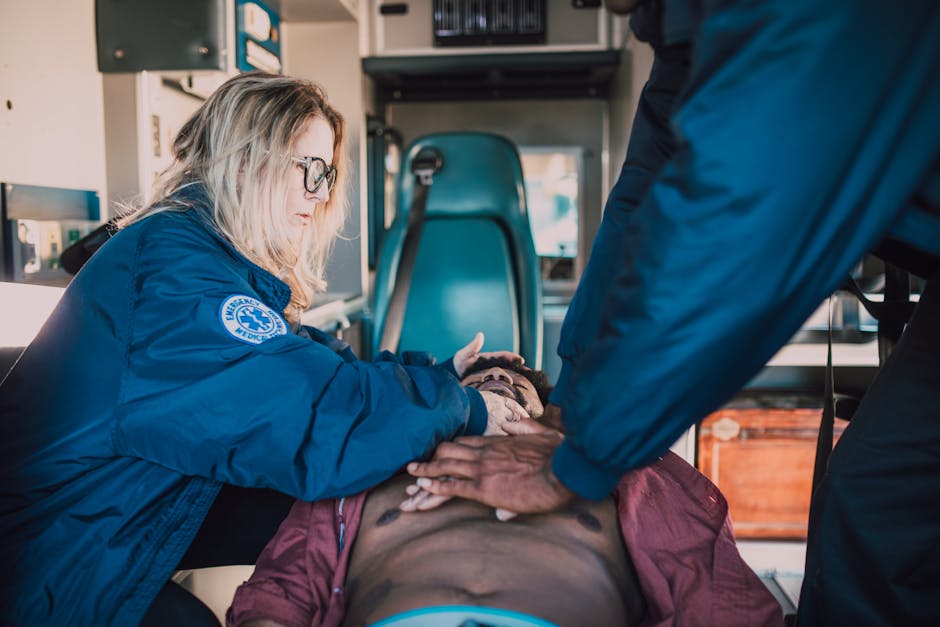
CPR is essential in various emergency situations, particularly in cases of cardiac arrest, drowning, or severe choking. According to the American Heart Association, effective bystander CPR can double or triple a victim’s chances of survival. Unfortunately, studies show that only about 46% of people who experience a cardiac arrest receive immediate help before emergency services arrive. This highlights a critical gap in emergency response where knowledge of CPR can make all the difference.
Moreover, CPR is not just beneficial for adults; it is equally important for children and infants. Sudden cardiac events can occur at any age, and knowing how to perform CPR can save a life regardless of the victim’s age. Training in CPR can empower individuals to act confidently in emergencies, potentially turning a tragic outcome into a story of survival.
How CPR Works
The main goal of CPR is to maintain blood flow to the brain and other vital organs until professional medical help can take over. CPR involves two critical components: chest compressions and rescue breaths. Chest compressions help to manually pump blood through the heart, while rescue breaths provide oxygen to the lungs.
During chest compressions, the rescuer should place the heel of one hand on the center of the person’s chest, interlock the fingers of the other hand on top, and push down hard and fast. The recommended rate is 100 to 120 compressions per minute, with a depth of about 2 inches for adults. For rescue breaths, the rescuer should tilt the head back slightly to open the airway, pinch the nose shut, and deliver two breaths, each lasting about one second.
Steps to Perform CPR
1. **Check the scene for safety**: Before approaching the victim, ensure that the environment is safe. Look for potential hazards that could endanger you or the victim.
2. **Call for help**: If the victim is unresponsive, call emergency services immediately or ask someone nearby to do so. Time is of the essence in these situations.
3. **Begin CPR**: Start with chest compressions. Remember to keep the rhythm of your compressions steady and consistent. If you are trained and feel confident, incorporate rescue breaths after every 30 compressions.
4. **Continue until help arrives**: Keep performing CPR until professional medical responders take over or the person shows signs of life, such as breathing or movement.
Training and Certification
While anyone can learn CPR, formal training can enhance your skills and confidence. Many organizations, such as the American Heart Association and the Red Cross, offer CPR courses that cover both adult and pediatric CPR techniques. These courses typically include hands-on practice with manikins, which can help reinforce the learning experience.
For those in Stockholm, taking a CPR course can be easily arranged through local centers. For example, you can find a comprehensive HLR kurs Stockholm that provides essential training and certification.
Common Myths About CPR
Several misconceptions about CPR can hinder people from taking action in emergencies. One common myth is that you need to perform rescue breaths to provide effective CPR. While breaths are important, high-quality chest compressions alone can save lives. In many cases, especially for untrained bystanders, hands-only CPR (chest compressions only) is recommended.
Another myth is that you can harm the victim if you perform CPR incorrectly. While it’s true that improper CPR can cause injury, the risk of not performing CPR at all is far greater. In emergencies, it is better to attempt CPR than to stand by and do nothing.
Conclusion
CPR is an invaluable skill that can make a significant difference in emergency situations. By understanding the principles and techniques of CPR, individuals can be better prepared to respond effectively and potentially save lives. With accessible training opportunities available, it is crucial for everyone to consider learning this essential skill. Remember, in a cardiac emergency, every second counts, and your knowledge of CPR could be the key to saving a life.